Essential Guide to Hunting Quail the Right Way
HuntWithDog · Dec 03, 2025
Learn the essential techniques, gear, dog work, and field strategies for hunting quail effectively and safely, improving your success on every upland hunt.
Tabla de contenidos
- 1.Teaser
- 2.Key Takeaways
- 3.Context
- 4.Before You Start
- 5.Field-Proven Guide
- 5.1Reading Productive Quail Habitat
- 5.2Working the Wind for Your Dog
- 5.3Managing Covey Flushes
- 5.4Optimizing Dog Behavior
- 5.5Shot Selection and Chokes
- 6.Safety in the Field
- 7.Common Mistakes and Fixes
- 8.Real-World Examples
- 9.Choosing Gear Wisely
- 10.Editorial Insight
- 11.Next Step
- 12.Conclusion
- 13.FAQ
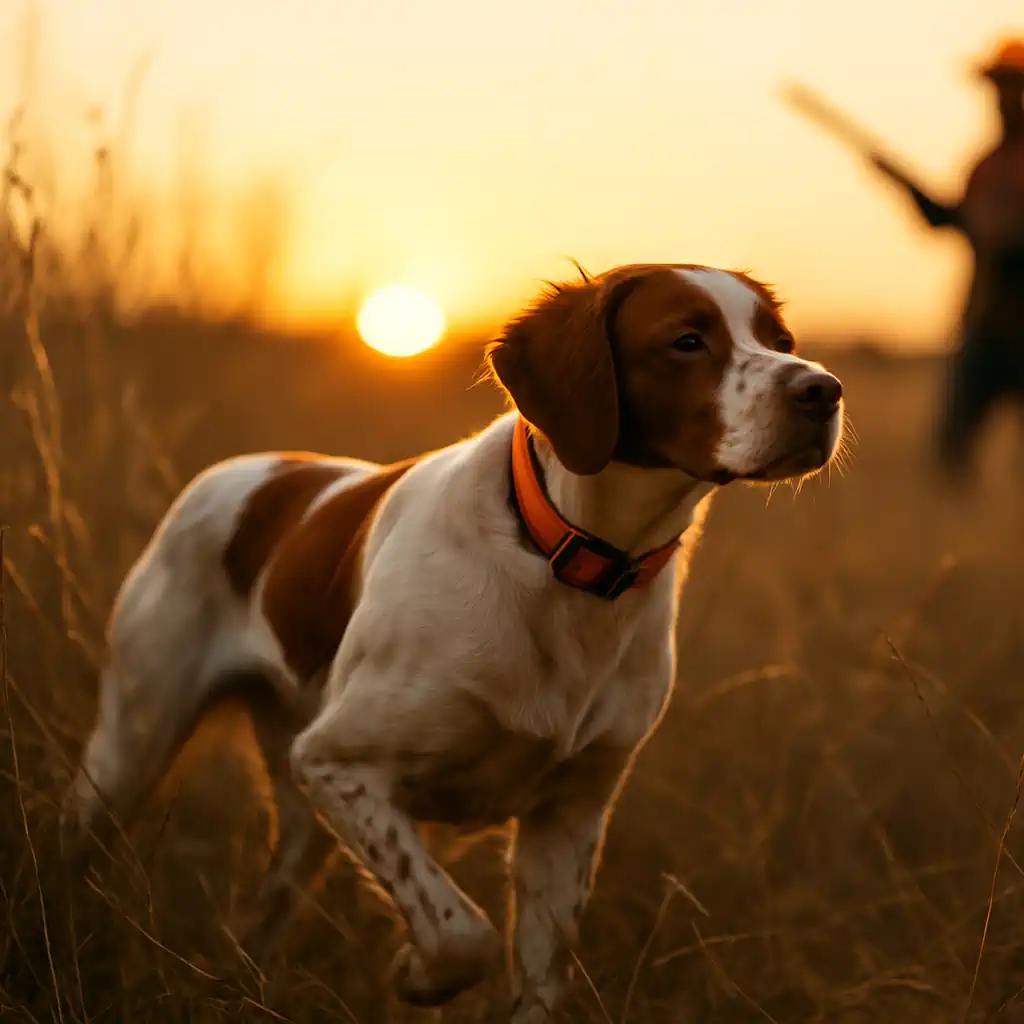
Essential Guide to Hunting Quail the Right Way
Teaser
Fast birds. Tight cover. Quick decisions.
Hunting quail rewards precision, patience, and clean dog work.
Key Takeaways
- Learn how to locate coveys consistently.
- Train your dog for controlled points and flushes.
- Use lightweight, quick-handling gear built for upland movement.
- Understand wind, terrain, and late-season bird behavior.
- Avoid the common field mistakes that ruin opportunities.
Context
Quail hunting is one of the most dynamic upland pursuits—coveys explode from cover, dogs must work carefully, and hunters must stay composed. Many guides skim the basics, but this resource goes deeper: actionable field technique, dog handling, and real-world structure.
Before You Start
Before stepping into the field, understand the core pillars of a successful hunt:
- Know the habitat.
- Work the wind.
- Move with purpose, not speed.
- Let the dog dictate the pace, not the other way around.
Field-Proven Guide
Reading Productive Quail Habitat
Look for brush-choked edges, mixed grasses, scattered shrubs, and transition zones between feeding and loafing areas.
- South-facing slopes warm early.
- Moisture-rich bottoms hold scent better.
- Edges produce more coveys than open fields.
Working the Wind for Your Dog
Always hunt into or crosswind so your dog can gather scent early.
- Quartering patterns help locate running birds.
- On calm days, tighten your search radius.
- On windy days, birds hold deeper in cover.
Managing Covey Flushes
A covey explosion is chaotic—plan ahead:
- Mark the flush direction instantly.
- Don’t chase right away; give birds 1–2 minutes to settle.
- Work singles with slow, controlled dog movement.
Optimizing Dog Behavior
Quail reward dogs that stay disciplined.
- Steady points prevent premature flushes.
- Controlled relocation avoids pushing runners too hard.
- Recall and whoa must be automatic, not optional.
Shot Selection and Chokes
Quail flush fast and close.
- Use open chokes (IC or Skeet).
- Pick a bird—not the covey.
- Avoid sky-blasting; angles matter more than speed.
Safety in the Field
- Always track dog location before pulling the trigger.
- Maintain muzzle awareness in tight cover.
- Move slowly through thick brush to avoid unseen obstacles.
- Use blaze orange for visibility among partners.
- Keep hydration for you and your dog.
- Check for fences, barbed wire, and hidden hazards.
- Know land boundaries and season regulations.
- Carry a basic dog first-aid kit.
Common Mistakes and Fixes
- Walking too fast: Slow down; quail require patience.
- Ignoring wind: A dog without scent is guessing.
- Overcalling dogs: Let them hunt; guide only when necessary.
- Poor shot discipline: Focus on one clean bird.
- Not marking flushes: Mental mapping wins post-flush singles.
Real-World Examples
- Early-season coveys: Birds hold tighter; dogs should stay steady and close.
- Late-season pressured birds: Expect runners; allow controlled dog relocation.
- Windy midday hunts: Birds move to thicker cover; tighten your search pattern.
- Post-rain mornings: Scenting improves dramatically; capitalize on it.
Choosing Gear Wisely
- Lightweight boots with ankle support.
- 20 or 28 gauge shotgun for quick handling.
- Breathable upland vest with water storage.
- GPS or beeper collar for dog tracking.
- Chaps or brush pants for thorn-heavy habitat.
Editorial Insight
Quail hunting rewards those who think like the birds: cautious, reactive to wind, and guided by terrain. Your job isn’t to control the field—it’s to read it, interpret it, and let your dog reveal what you can’t see.
Next Step
Document your hunts. Track the conditions, habitat, wind, and dog behavior. Over a season, patterns emerge that sharpen your instincts far beyond any single article.
Conclusion
Quail hunting blends instinct, dog work, and understanding the land. When you slow down, watch the wind, and let your dog lead, coveys become predictable events instead of lucky breaks.
Mastering these fundamentals transforms each hunt from a walk in the woods into a deliberate, thrilling pursuit.
FAQ
Below are answers to the most common questions hunters have when pursuing quail.
Frequently Asked Questions
What habitat do quail prefer the most?▼
They thrive in mixed grasslands, brushy edges, and areas with ample cover for feeding and escape, especially early mornings and late afternoons.
What gauge shotgun works best for quail?▼
Most hunters prefer 20 gauge or 28 gauge for their lighter recoil and fast handling—ideal for close, quick flushes.
When is the best time of day to hunt quail?▼
Early mornings and late afternoons, when coveys are most active and dogs can scent better due to cooler, moist air.
How should I prepare my dog for quail hunting?▼
Focus on obedience, recall, steady points, and exposure to real birds to ensure safe, controlled flushes in the field.
Do quail hold tight for pointing dogs?▼
Often yes, but pressured or late-season birds may run instead of holding, requiring sharper dog handling.
How do I locate a covey after the initial flush?▼
Mark the direction precisely, give birds 60–120 seconds to settle, then work the area methodically in a sweeping pattern.
What choke is ideal for quail hunting?▼
Improved Cylinder or Skeet chokes provide open patterns suited for fast, close-range shots.
Is weather important for quail movement?▼
Yes—cool, calm mornings help dogs scent better, while windy or overly dry days make coveys harder to pin down.
What mistakes do new quail hunters usually make?▼
Rushing shots, overhandling dogs, ignoring wind direction, and walking too fast through productive cover.
How do I handle quail safely after harvest?▼
Cool them quickly, store in breathable game bags, and clean them shortly after returning from the field.