Best States for Pheasant Hunting in America
HuntWithDog · Dec 03, 2025
Discover the best states for pheasant hunting across the U.S., including habitat quality, bird numbers, public access, and tips to plan a productive upland season with your dog.
Tabla de contenidos
- 1.Teaser
- 2.Key Takeaways
- 3.Context
- 4.Before You Start
- 5.Field-Proven Guide
- 5.1South Dakota: The Gold Standard
- 5.2Kansas: Diverse Habitat and Long Seasons
- 5.3North Dakota: Quiet, Wild, and Productive
- 5.4Nebraska: Edges, Shelterbelts, and Mixed Opportunity
- 5.5Montana: Fewer Birds, Exceptional Terrain
- 6.Safety in the Field
- 7.Common Mistakes and Fixes
- 8.Real-World Examples
- 9.Choosing Gear Wisely
- 10.Editorial Insight
- 11.Next Step
- 12.Conclusion
- 13.FAQ
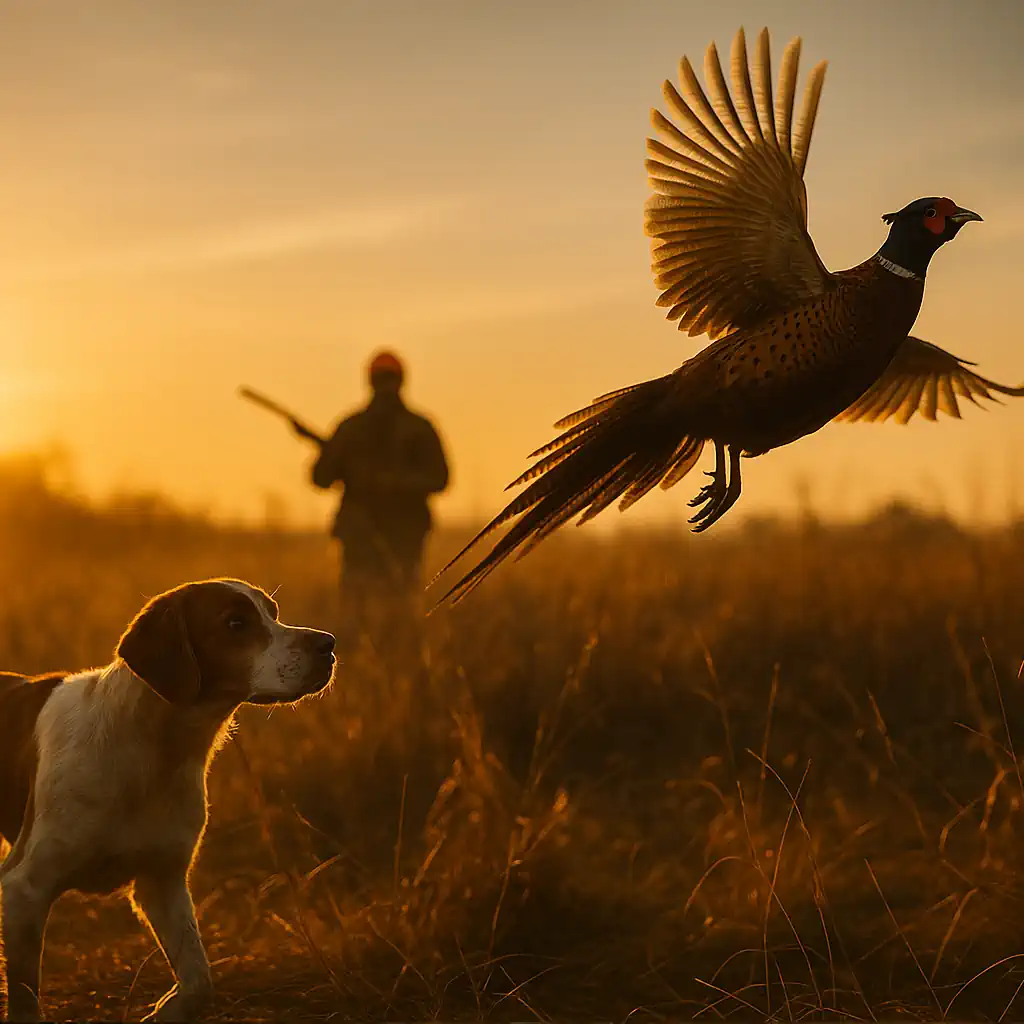
Best States for Pheasant Hunting in America
Teaser
Not all pheasant states hunt the same.
From prairie grasslands to shelterbelts and crop edges, each region shapes the pursuit differently.
Key Takeaways
- Identify the top-performing pheasant states based on habitat, access, and bird numbers.
- Learn how regional differences affect dog handling and strategy.
- Understand when and why public land competes with private access.
- Prepare for varying terrain, weather, and late-season behavior.
Context
Pheasant hunting remains one of the most iconic upland experiences in North America. While many states offer opportunity, only a few consistently produce outstanding bird numbers, strong public access programs, and high-quality habitat. This guide expands on typical rankings to give you actionable insights for choosing your next trip.
Before You Start
Before planning a trip, consider:
- The bird population trends of the last 3–5 seasons.
- Terrain suitability for your dog’s style.
- Pressure levels and timing within each state.
- Weather volatility during your target month.
Field-Proven Guide
South Dakota: The Gold Standard
South Dakota’s blend of CRP fields, grasslands, and agricultural edges produces unmatched bird numbers.
- Massive public access programs create endless opportunities.
- Birds run hard—steady points and controlled relocation are essential.
- Late-season hunts offer challenging but rewarding dog work.
Kansas: Diverse Habitat and Long Seasons
Kansas offers a mix of grasslands, crop edges, and shrub-filled draws.
- Walk-In Hunting Areas (WIHA) are abundant and productive.
- Windy conditions shape movement—hunt crosswind for best scenting.
- Birds often hold tighter in southern regions.
North Dakota: Quiet, Wild, and Productive
Lower hunter density and huge landscapes create a raw upland experience.
- Pheasants mix with sharptails and Huns in the same cover.
- Early-season conditions often favor young, holding birds.
- Snow pushes birds into heavy cover—great for pointing dogs.
Nebraska: Edges, Shelterbelts, and Mixed Opportunity
Nebraska blends farmland, rolling prairie, and timber edges.
- Birds concentrate along transitions between crops and grass.
- Public land is solid but scouting is critical.
- Dry years push birds toward irrigated areas.
Montana: Fewer Birds, Exceptional Terrain
Montana isn’t always top of mind for pheasants, but offers rugged beauty and varied cover.
- Birds spread out—dogs must range and adapt.
- Pressure varies heavily by region.
- Late-season hunts can be outstanding along river bottoms.
Safety in the Field
- Track dog position at all times, especially in dense cover.
- Maintain muzzle control in tight groups.
- Stay hydrated—many top states have dry, windy climates.
- Watch for barbed wire and hidden holes in grasslands.
- Wear blaze orange for visibility.
- Keep your dog’s paws protected in abrasive terrain.
- Mark property boundaries—trespass laws differ by state.
- Monitor weather shifts to avoid sudden temperature drops.
Common Mistakes and Fixes
- Chasing runners: Slow down; manage relocation carefully.
- Ignoring pressure: Move deeper into large public parcels.
- Hunting midday: Early and late movement is more consistent.
- Using tight chokes: IC or Skeet patterns suit close, explosive flushes.
- Not adjusting to late-season birds: Expect smarter, harder-running roosters.
Real-World Examples
- South Dakota CRP field: Coveys and singles push ahead; controlled relocation becomes key.
- Kansas WIHA parcel: Windy day—birds stay close to brushy edges for cover.
- Nebraska shelterbelt: Morning frost helps dogs scent deep birds hiding in thick lanes.
- North Dakota prairie: Multi-species day as pheasants mix with sharptails.
Choosing Gear Wisely
- Layering systems to adapt to winds across the Great Plains.
- Lightweight, abrasion-resistant brush pants.
- 20 or 12 gauge shotgun with open chokes.
- GPS collar for large tracts of land.
- High-visibility vest for you and your dog.
Editorial Insight
A state’s harvest numbers don’t tell the whole story. Pressure, weather windows, terrain style, and cover type matter just as much. The best upland trips come from understanding how your dog’s strengths fit into each region’s landscape.
Next Step
Choose one or two states that fit your dog’s style and your preferred terrain. Plan your hunt around ideal weather patterns and off-peak pressure periods for the most productive days.
Conclusion
America’s top pheasant states offer diverse landscapes and hunting experiences. Whether you're chasing South Dakota’s legendary numbers or exploring quieter prairies in Montana or North Dakota, the key is matching habitat, timing, and strategy. With the right preparation, each state can deliver unforgettable upland days and stronger dog work every season.
FAQ
Below are common questions hunters ask when choosing the best pheasant hunting states.
Frequently Asked Questions
What makes a state good for pheasant hunting?▼
High bird populations, strong habitat diversity, public access programs, and consistent climate patterns all contribute to productive pheasant hunting.
Which state has the highest pheasant harvest most years?▼
South Dakota consistently leads the nation in both pheasant numbers and annual harvest due to exceptional habitat and access programs.
Is public land enough for a full-season pheasant strategy?▼
Yes—many states offer vast walk-in areas and CRP fields, though understanding pressure and timing is key to success.
Do pheasants behave differently by region?▼
Birds in heavily pressured states run more, while those in isolated regions often hold tighter—understanding pressure dynamics helps your dog work better.
What time of season is best for pheasant hunting?▼
Early season offers more birds; late season offers smarter but patternable survivors, demanding better dog work and strategy.
Do weather conditions affect pheasant movement?▼
Cold mornings, light wind, and fresh moisture improve scenting conditions and can increase mid-morning activity in shelterbelts and edges.
Should I choose private or public land?▼
Public land can be highly productive if you hunt off-peak times. Private land offers more predictability but often requires permission.
How important is dog selection for pheasant states?▼
Crucial—pheasants run hard. A disciplined pointing dog or a powerful flushing dog with endurance can change your entire hunt.
What gear differences matter by state?▼
Boot traction, brush-resistant clothing, and layered systems vary by region due to terrain, weather, and cover density.
Can nonresidents hunt top pheasant states easily?▼
Yes, though some states have special licensing periods, draw requirements, or private-land access rules to understand beforehand.